- Tu carrito está vacío
- Continuar comprando





€270Precio actual: €270. Precio Original era: €300.
Darunavir 300 mg (as darunavir ethanolate) is a prescription-only, second-generation non-peptidic protease inhibitor (PI) indicated for the treatment of Human Immunodeficiency Virus type 1 (HIV-1) infection in combination with other antiretroviral agents. Engineered with an exceptionally high genetic barrier to resistance, darunavir must be co-administered with a low-dose pharmacokinetic enhancer (such as ritonavir or cobicistat) and taken with food to achieve therapeutic systemic exposure. The 300 mg tablet formulation is primarily utilized in multi-tablet titration schedules—notably twice-daily regimens for treatment-experienced patients harboring baseline protease inhibitor resistance mutations—as well as pediatric weight-based protocols. Dispensed strictly by medical prescription
Darunavir (Prezista®) is an oral synthetic peptidomimetic inhibitor designed to overcome early-generation protease inhibitor mutations. Developed around a bis-tetrahydrofuranyl ($\text{bis-THF}$) urethane scaffold, darunavir targets the catalytic core of the HIV-1 aspartyl protease enzyme with sub-nanomolar affinity. In contemporary antiretroviral regimens, it functions as a preferred anchor agent for both treatment-naive patients and individuals presenting with extensive multi-class antiretroviral drug failure.
Clinical Profile & Pharmaceutical Formulation
Active Pharmaceutical Ingredient: Darunavir ethanolate (300 mg darunavir base equivalent per tablet).
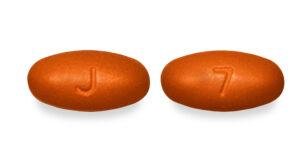
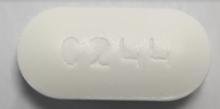
Dosage Form & Identification: Film-coated, oval, biconvex tablet (typically white to off-white, debossed with strength identifiers such as “300” and manufacturer insignias).
Formulation Context: The 300 mg dosage unit provides clinical flexibility. In heavily treatment-experienced adult patients with documented darunavir resistance-associated substitutions (RAMs), the standard dosing schedule consists of 600 mg (administered as two 300 mg tablets) co-administered with 100 mg of ritonavir twice daily ($\text{BID}$). It also serves as the titration unit for pediatric patients weighing $\ge 30\text{ kg}$.
Pharmacodynamics & Mechanism of Action
Enzyme Binding Affinity: Darunavir binds competitively into the hydrophobic substrate-binding groove of the homodimeric HIV-1 aspartyl protease enzyme.
Backbone Hydrogen Bonding: Unlike earlier protease inhibitors that rely extensively on interactions with flexible protease amino acid side chains (which are prone to mutational drift), darunavir forms extensive, close-contact hydrogen bonds with the invariant main-chain peptide backbone of the enzyme (specifically residues Asp29 and Asp30).
Prevention of Polyprotein Cleavage: By occupying the catalytic site, darunavir blocks the cleavage of the viral precursor polyproteins $\text{Gag}$ y $\text{Gag-Pol}$. This prevents the formation of individual functional structural proteins (matrix, capsid, nucleocapsid) and essential replication enzymes (reverse transcriptase, integrase, protease), arresting post-translational maturation and yielding morphologically defective, non-infectious virions.
High Genetic Barrier to Resistance: Because main-chain backbone geometries are structurally conserved to preserve catalytic function, the virus cannot easily alter these binding points without severely compromising its own enzymatic fitness. As a result, resistance typically requires the accumulation of multiple specific secondary mutations (e.g., V11I, V32I, L33F, I47V, I50V, I54L/M, T74P, L76V, I84V, L89V).
Pharmacokinetics & Pharmacokinetic Boosting
Mandatory Pharmacokinetic Enhancement: Darunavir undergoes extensive, rapid systemic metabolism when administered alone, resulting in subtherapeutic plasma troughs. It must be co-administered with a pharmacokinetic booster—either ritonavir (100 mg) or cobicistat (150 mg)—which acts as a mechanism-based inhibitor of cytochrome P450 3A4 ($\text{CYP3A4}$). Boosting increases darunavir systemic exposure ($\text{AUC}$) by approximately 14-fold.
Absorption & Food Effect: Rapidly absorbed following oral ingestion; peak plasma concentrations ($C_{\max}$) are reached within 2.5 to 4 hours post-dose. Systemic bioavailability is significantly amplified in the presence of food (increasing $\text{AUC}$ by ~30%); administration with a meal is mandatory.
Distribution & Protein Binding: High affinity for circulating plasma proteins (~95%), binding predominantly to human $\alpha_1$-acid glycoprotein ($\text{AAG}$).
Elimination & Kinetics: Extensively metabolized hepatically by CYP3A4. Following boosted administration, terminal elimination half-life averages approximately 15 hours. Elimination occurs primarily through feces (~80%, containing unabsorbed drug and oxidative metabolites) and secondarily through urine (~13%).
Clinical Administration & Prescribing Guidelines
Indications: Treatment of HIV-1 infection in treatment-naive and treatment-experienced adults and pediatric patients aged 3 years and older (weighing at least 15 kg).
Dosing Regimens:
Treatment-Naive Adults & Experienced Adults without Darunavir Resistance Mutations: 800 mg once daily with 100 mg ritonavir (or 150 mg cobicistat) with food.
Treatment-Experienced Adults with $\ge 1$ Darunavir Resistance Mutation: 600 mg (two 300 mg tablets) co-administered with 100 mg ritonavir twice daily with food.
Administration Mandate: Tablets must be swallowed whole with water during or immediately after a meal. Crushing or splitting is discouraged to maintain dose integrity.
Safety Considerations, Boxed Warnings, & Monitoring
Severe Cutaneous Adverse Reactions (SCAR): Severe skin reactions, including erythema multiforme, Stevens-Johnson syndrome (SJS), toxic epidermal necrolysis (TEN), and drug reaction with eosinophilia and systemic symptoms (DRESS), have been reported. Therapy must be discontinued immediately if severe rash, blistering, mucosal lesions, or systemic febrile reactions develop.
Sulfa Allergy Precautions: Darunavir contains a sulfonamide moiety. Use with caution in patients with known sulfonamide (sulfa) hypersensitivity, as potential cross-reactivity exists.
Hepatotoxicity: Drug-induced hepatitis, including acute transaminase elevations and clinical jaundice, has been observed. Baseline and periodic hepatic function testing (AST, ALT, total bilirubin) is required, particularly in patients with pre-existing hepatitis B or C virus co-infection.
Metabolic Derangements: Class-associated protease inhibitor side effects include hypertriglyceridemia, hypercholesterolemia, insulin resistance/new-onset diabetes mellitus, and body fat redistribution (lipodystrophy).
Extensive Drug Interactions: Because darunavir is co-administered with potent CYP3A inhibitors (ritonavir/cobicistat), it significantly elevates plasma levels of co-administered drugs cleared via CYP3A. Concurrent use is contraindicated with agents like statins (simvastatin, lovastatin), sedatives (oral midazolam, triazolam), ergot derivatives, PDE5 inhibitors (for pulmonary arterial hypertension), and certain antiarrhythmics (amiodarone, quinidine).
 English English
  German
 Italian
 Dutch
Dutch
 Spanish





Reseñas
Todavía no hay reseñas.