- Your cart is empty
- Continue Shopping


€270Current price is: €270. Original price was: €300.
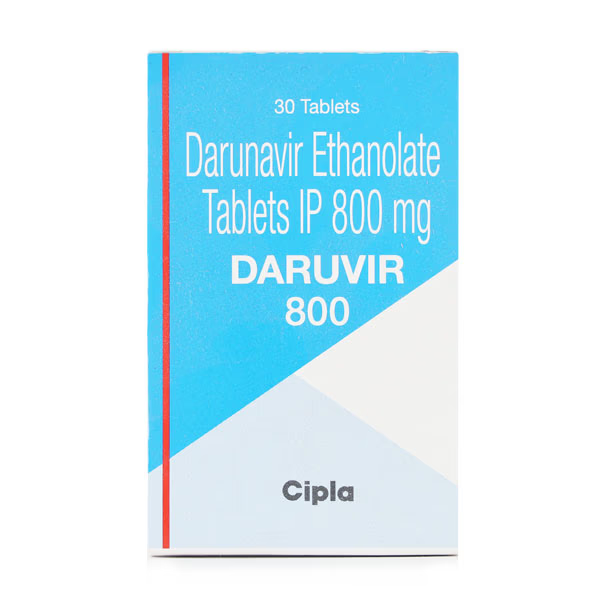
Daruvir 800 mg (darunavir ethanolate oral tablets) is a high-potency, prescription-only, second-generation non-peptidic protease inhibitor (PI) indicated for the treatment of Human Immunodeficiency Virus type 1 (HIV-1) infection in combination with other antiretroviral agents. Designed primarily for once-daily dosing regimens in treatment-naive adults and treatment-experienced adults harboring no baseline darunavir resistance-associated mutations (RAMs), Daruvir 800 mg must be co-administered with a pharmacokinetic booster (100 mg ritonavir or 150 mg cobicistat) and taken with food. It functions by competitively inhibiting HIV-1 aspartyl protease, preventing the cleavage of viral polyproteins and halting viral maturation. Dispensed strictly by medical prescription.
Daruvir 800 mg (manufactured as a generic bioequivalent formulation to branded Prezista®) delivers a high-dose single-tablet strength of darunavir ethanolate. Developed to streamline once-daily antiretroviral treatment schedules, the 800 mg formulation reduces pill burden for patients initiating first-line therapy or transitioning from complex multi-tablet regimens. By targeting the catalytic site of the HIV-1 aspartyl protease enzyme with sub-nanomolar affinity, it maintains durable viral suppression while presenting a formidable genetic barrier to the emergence of drug resistance.
Clinical Profile & Pharmaceutical Formulation
Active Pharmaceutical Ingredient: Darunavir ethanolate (equivalent to 800 mg of free darunavir base per tablet).
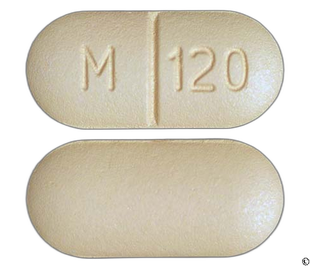
Dosage Form & Physical Appearance: Film-coated, oval-shaped oral tablet, typically dark red, brownish-red, or rust-colored, debossed with strength identifiers (such as “800”) and manufacturer markings.
Once-Daily Regimen Role: The 800 mg tablet is the clinical standard unit for once-daily ($\text{QD}$) administration schedules. Unlike the divided 300 mg or 600 mg strengths reserved for twice-daily administration in patients with documented phenotypic darunavir resistance mutations, the 800 mg tablet simplifies daily adherence in virologically naive or sensitive populations.
Pharmacodynamics & Mechanism of Action
Competitive Aspartyl Protease Blockade: Darunavir selectively binds to the homodimeric active site of the HIV-1 retropepsin (aspartyl protease) enzyme.
Invariant Backbone Hydrogen Bonding: The bis-tetrahydrofuranyl ($\text{bis-THF}$) urethane moiety of darunavir forms extensive hydrogen bonds with the structurally conserved main-chain peptide backbone of the enzyme (specifically Asp29 and Asp30). Because these interactions do not rely on variable amino acid side chains, the enzyme cannot readily mutate around the inhibitor without suffering catastrophic catalytic loss, conferring an exceptionally high genetic barrier to resistance.
Prevention of Viral Maturation: Competitive inhibition arrests the post-translational cleavage of viral precursor polyproteins ($\text{Gag}$ and $\text{Gag-Pol}$) into individual functional structural proteins (capsid, nucleocapsid, matrix) and functional viral enzymes (reverse transcriptase, integrase, protease). Consequently, viral progeny budding from infected host cells remain morphologically immature, structurally defective, and incapable of infecting secondary $\text{CD4}^+$ target cells.
Pharmacokinetics & Pharmacokinetic Boosting
Mandatory Pharmacokinetic Enhancement: Darunavir is extensively cleared by first-pass hepatic metabolism. Therapeutic systemic trough concentrations cannot be achieved without co-administration of a pharmacokinetic enhancer:
Ritonavir (100 mg once daily): A mechanism-based inactivator of cytochrome P450 3A4 ($\text{CYP3A4}$).
Cobicistat (150 mg once daily): A dedicated, non-antiviral CYP3A inhibitor.
Boosting increases darunavir systemic bioavailability ($\text{AUC}$) by approximately 14-fold and significantly prolongs the elimination half-life.
Absorption & Mandatory Meal Requirement: Rapidly absorbed from the gastrointestinal tract following oral administration, achieving peak plasma levels ($C_{\max}$) within 2.5 to 4.5 hours. Bioavailability is dependent on dietary fats and caloric intake (increasing systemic absorption by ~30%); Daruvir 800 mg must always be ingested during or immediately following a meal.
Protein Binding & Distribution: Approximately 95% bound to circulating plasma proteins, preferentially binding to human $\alpha_1$-acid glycoprotein ($\text{AAG}$).
Elimination: Following boosted once-daily administration, the terminal elimination half-life is approximately 15 hours. Clearance proceeds primarily via the biliary/fecal route (~80%), with renal elimination accounting for roughly 13%.
Indications & Prescribing Protocols
Target Populations: Indicated for combination antiretroviral therapy (cART) in:
Antiretroviral treatment-naive adult and pediatric patients (weighing at least 40 kg).
Antiretroviral treatment-experienced patients with no darunavir resistance-associated substitutions (such as V11I, V32I, L33F, I47V, I50V, I54L/M, T74P, L76V, I84V, or L89V).
Contraindication for Once-Daily 800 mg in Resistant Strains: If genotypic testing reveals one or more darunavir resistance-associated mutations, once-daily 800 mg dosing is contraindicated; the patient must instead be switched to twice-daily 600 mg dosing (co-administered with 100 mg ritonavir twice daily).
Administration Instructions: One 800 mg tablet taken orally once daily alongside 100 mg ritonavir (or 150 mg cobicistat) with food. The tablet must be swallowed whole with water; it should not be chewed, crushed, or split.
Safety Considerations, Warnings, & Drug Interactions
Severe Cutaneous Adverse Reactions (SCAR): Clinical trials and post-marketing surveillance report severe skin reactions, including toxic epidermal necrolysis (TEN), Stevens-Johnson syndrome (SJS), erythema multiforme, and drug reaction with eosinophilia and systemic symptoms (DRESS). Therapy must be terminated immediately upon the appearance of systemic rash accompanied by fever, mucosal ulceration, or bullous lesions.
Sulfa Cross-Reactivity Precautions: Darunavir possesses a sulfonamide moiety. Caution is advised when prescribing to patients with severe known sulfonamide allergies.
Hepatotoxicity: Drug-induced hepatitis, hepatic transaminase elevations, and clinical jaundice have been documented. Baseline hepatic function panels (ALT, AST, alkaline phosphatase, total bilirubin) are indicated, particularly in patients with chronic Hepatitis B or C co-infections.
Metabolic & Endocrine Shifts: Typical of protease inhibitor regimens, prolonged therapy may induce metabolic changes including dyslipidemia (hypertriglyceridemia, hypercholesterolemia), insulin resistance, worsening hyperglycemia, and adipose tissue redistribution (lipodystrophy).
Significant CYP3A Drug Interactions: Because Daruvir is co-administered with potent CYP3A inhibitors, co-administration is strictly contraindicated with medications that depend heavily on CYP3A for clearance and have narrow therapeutic windows, including:
HMG-CoA reductase inhibitors (simvastatin, lovastatin).
Sedative-hypnotics (oral midazolam, triazolam).
Ergot alkaloids (ergotamine, dihydroergotamine).
Antiarrhythmics (amiodarone, dronedarone, quinidine).
PDE5 inhibitors prescribed for pulmonary arterial hypertension (sildenafil).
 English English
  German
 Italian
 Dutch
Dutch
 Spanish

Reviews
There are no reviews yet.